
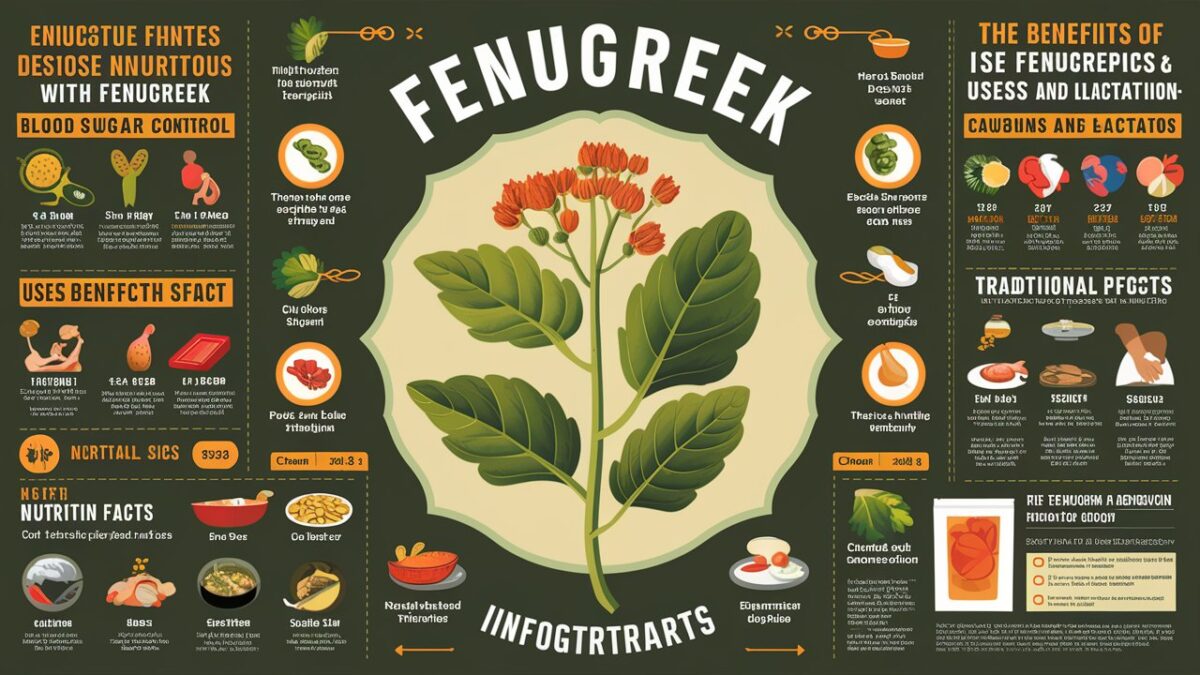

Fenugreek, known scientifically as Trigonella foenum-graecum, is a highly valued herb that has been used for centuries in traditional medicine, cooking, and natural healing systems across the world. Commonly referred to as foenegriek, it is widely recognized for its powerful medicinal properties, distinctive aroma, and nutrient-rich profile. The plant produces small golden-brown seeds and green leaves that are both used in culinary and therapeutic applications. In many cultures, fenugreek is considered a natural remedy for improving digestion, enhancing metabolism, balancing hormones, and supporting overall health. Its versatility and scientifically supported benefits make it one of the most researched herbal ingredients in natural health.
Fenugreek is especially popular in South Asian, Middle Eastern, and Mediterranean cuisines, where it is used as a spice, herb, and supplement. Modern research continues to explore its potential in managing blood sugar levels, improving skin health, and supporting hair growth. Because of its wide range of uses and health benefits, fenugreek has become a global superfood in recent years.
What Is Fenugreek (Foenegriek)?
Fenugreek is a small herb belonging to the Fabaceae family. It grows in semi-arid regions and produces trifoliate leaves and small white flowers that eventually develop into seed pods. These seeds are the most commonly used part of the plant and are known for their slightly bitter taste and strong aroma.
Fenugreek seeds are rich in essential nutrients such as fiber, iron, magnesium, and plant compounds like saponins and flavonoids. These compounds contribute to its medicinal properties and make it a valuable ingredient in both food and herbal medicine. The leaves, often called “methi” in South Asia, are also consumed as a leafy green vegetable and are rich in vitamins A, C, and K.
Health Benefits of Fenugreek
Fenugreek is widely known for its impressive health benefits, many of which are supported by traditional usage and modern scientific studies. One of its most important benefits is its ability to help regulate blood sugar levels, making it a popular natural supplement for people managing diabetes. The high fiber content in fenugreek slows down carbohydrate digestion, which helps prevent sudden spikes in blood glucose levels.
Another significant benefit of fenugreek is its role in improving digestion. It acts as a natural laxative and helps relieve issues such as constipation, bloating, and indigestion. Its anti-inflammatory properties also support gut health and overall digestive comfort. Additionally, fenugreek is often used to support weight management because it helps increase feelings of fullness, reducing overall calorie intake.
Fenugreek is also widely used in hair care routines due to its ability to strengthen hair follicles and reduce hair fall. It is commonly applied as a paste or oil treatment to promote thicker, healthier hair. Furthermore, it is believed to support hormonal balance, especially in women, and is sometimes used to help with menstrual discomfort and lactation support.
Culinary and Everyday Uses of Fenugreek
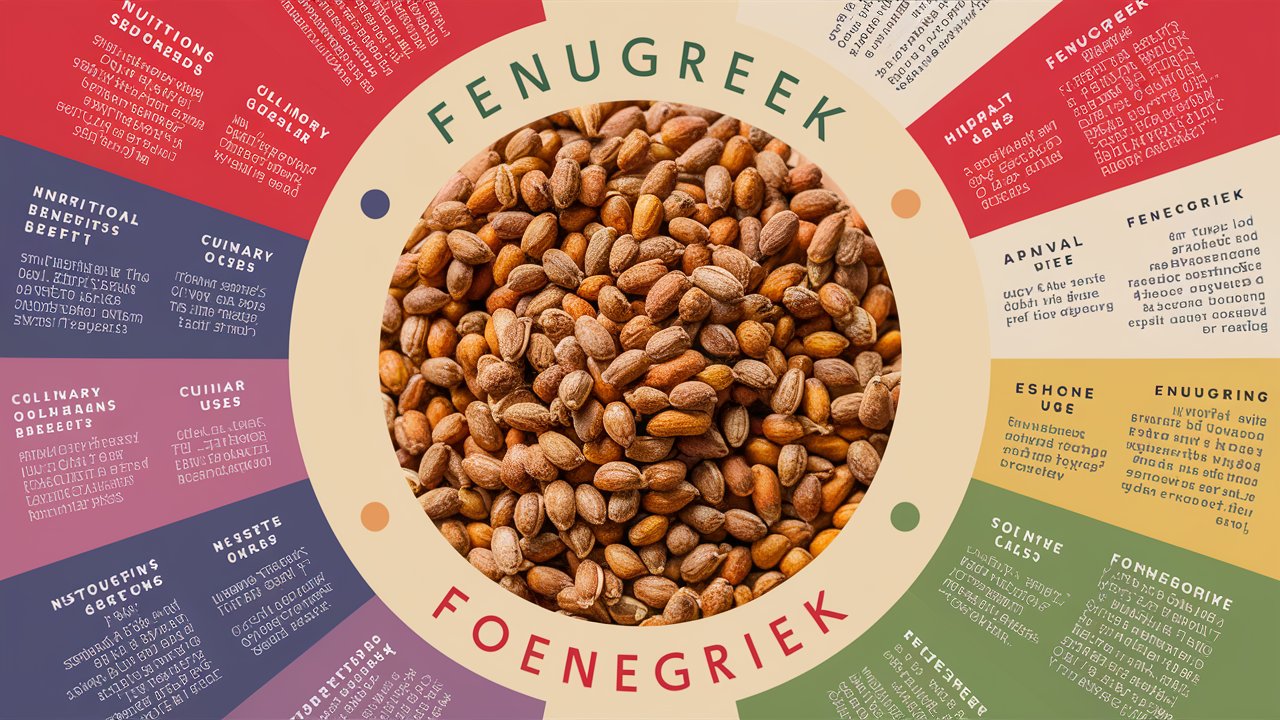
Fenugreek is an extremely versatile ingredient in cooking. The seeds are often roasted and ground into spice blends, while the leaves are used fresh or dried in various dishes. In Indian cuisine, fenugreek leaves are commonly used in curries, bread, and vegetable dishes, adding a slightly bitter but aromatic flavor.
In addition to cooking, fenugreek is used in herbal teas, dietary supplements, and natural remedies. Many people soak fenugreek seeds overnight and consume them in the morning for digestive and metabolic benefits. It is also used in skincare and haircare formulations due to its nourishing and anti-inflammatory properties.
Side Effects and Precautions
While fenugreek is generally safe when consumed in moderate amounts, excessive use can lead to side effects such as stomach discomfort, diarrhea, or allergic reactions in some individuals. Pregnant women are often advised to avoid high doses of fenugreek because it may stimulate uterine contractions.
It is also important for people taking medication for diabetes or blood thinning to consult a healthcare professional before using fenugreek supplements, as it may interact with certain medications and affect blood sugar or clotting levels.
Nutritional Value of Fenugreek
Fenugreek is rich in dietary fiber, protein, and essential minerals such as iron, potassium, and magnesium. It also contains powerful antioxidants that help protect the body from oxidative stress. The combination of nutrients makes fenugreek a functional food that supports overall health and wellness.
Conclusion
Fenugreek (foenegriek) is a powerful herb with a long history of use in traditional medicine and culinary practices. Its wide range of health benefits, including blood sugar control, improved digestion, enhanced hair health, and hormonal balance, make it a valuable addition to a healthy lifestyle. Whether used as seeds, leaves, powder, or supplements, fenugreek offers natural support for overall well-being. However, like any herbal remedy, it should be used responsibly and in moderation to avoid side effects. With growing scientific interest and global popularity, fenugreek continues to stand out as one of the most important medicinal herbs in natural health care.
Frequently Asked Questions (FAQ)
1. What is fenugreek used for?
Fenugreek is used for improving digestion, managing blood sugar levels, supporting hair growth, and enhancing overall health through its medicinal properties.
2. Can fenugreek help with weight loss?
Yes, fenugreek may support weight loss by increasing satiety, which helps reduce appetite and overall calorie intake.
3. Is fenugreek safe for daily use?
In moderate amounts, fenugreek is generally safe for daily consumption, but excessive use may cause digestive discomfort or other side effects.
4. How do you consume fenugreek seeds?
Fenugreek seeds can be soaked overnight and eaten in the morning, or they can be used in cooking, teas, or powdered supplements.
5. Does fenugreek help with hair growth?
Yes, fenugreek is commonly used in hair treatments because it may strengthen hair follicles and reduce hair fall.