
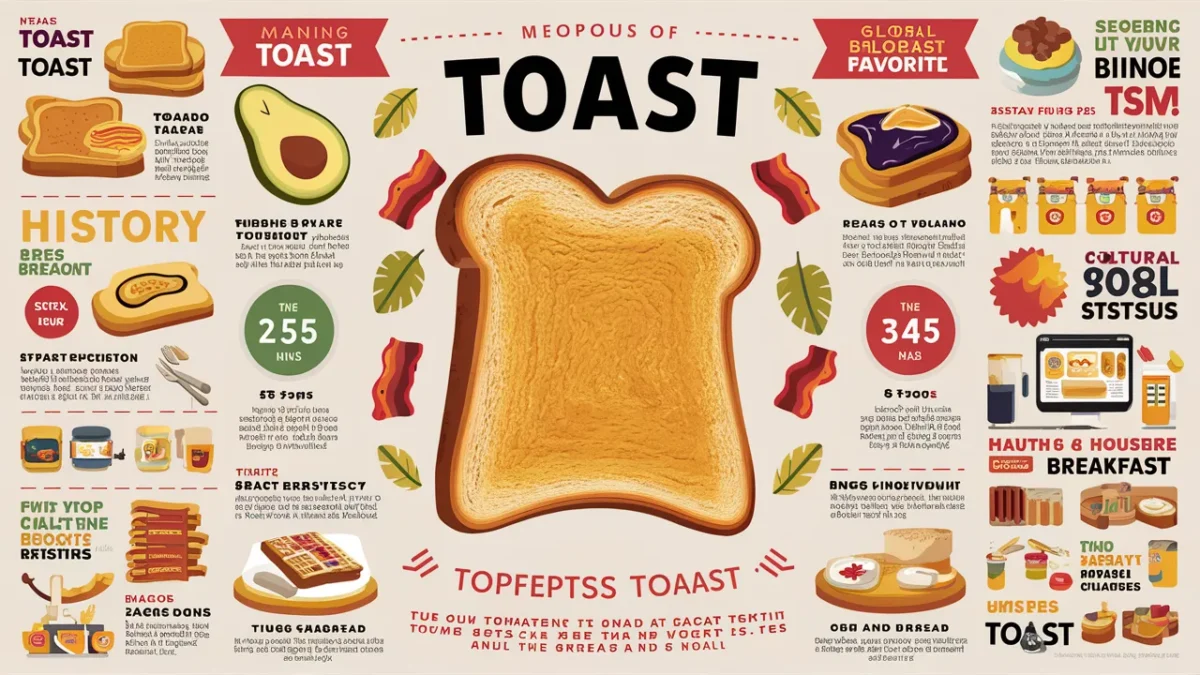

Toast is one of the simplest yet most widely consumed foods in the world, enjoyed by millions of people every day across different cultures and cuisines. Made by applying heat to slices of bread until they become crisp and golden brown, toast is often served as part of breakfast, snacks, or even gourmet meals. Despite its simplicity, toast has evolved into a versatile food item with countless variations and toppings, making it a staple in households and restaurants alike. From buttered toast to modern creations like avocado toast, this humble dish has transformed into a global food trend. Understanding toast, its types, nutritional value, and cultural significance helps us appreciate why it remains such a beloved part of daily life.
What is Toast?
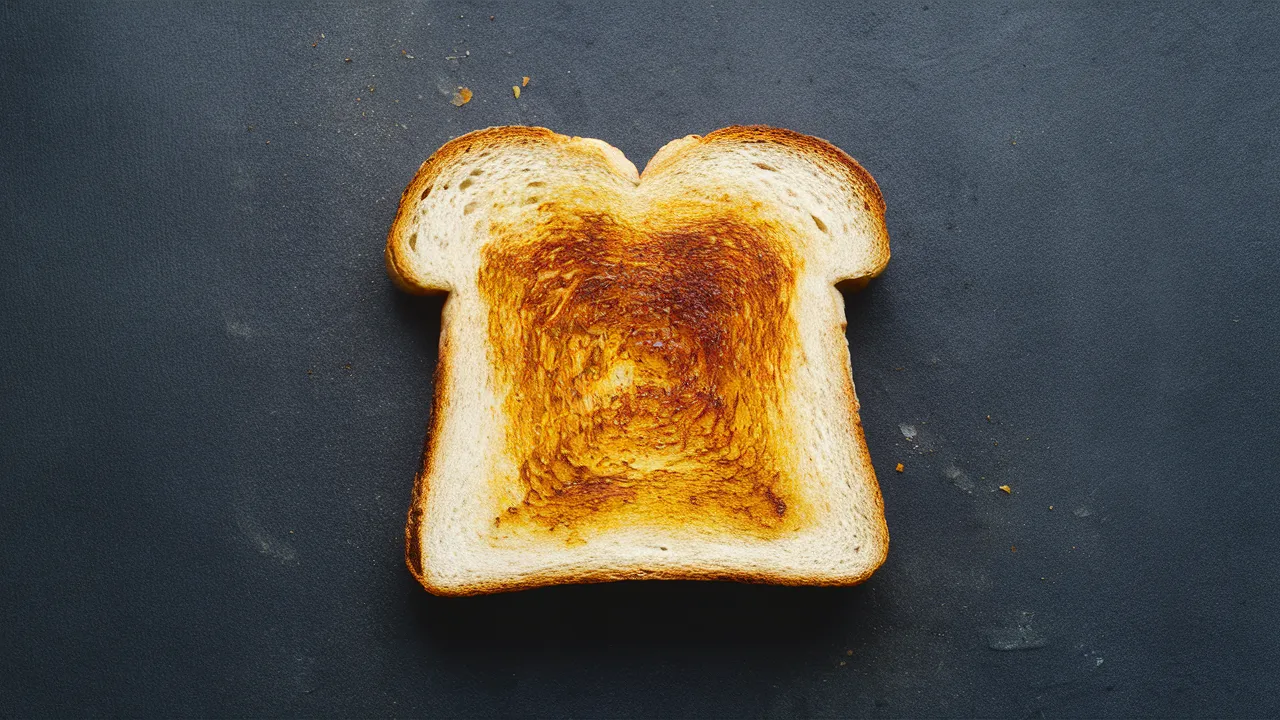
Toast is essentially bread that has been browned by exposure to heat, usually using a toaster, oven, or grill. The process of toasting removes moisture from the bread, giving it a crisp texture and a rich, slightly nutty flavor. While simple in concept, toast plays an important role in many diets around the world due to its convenience and adaptability. It can be made from various types of bread, including white, whole wheat, sourdough, and multigrain, each offering a different taste and nutritional profile. Toast is often used as a base for toppings such as butter, jam, cheese, eggs, or vegetables, making it a highly customizable food option suitable for different preferences and dietary needs.
Types of Toast
There are many different types of toast enjoyed globally, each offering a unique flavor and experience. Traditional butter toast is one of the most common forms, where toasted bread is simply spread with butter for a rich and comforting taste. Sweet variations include jam toast and honey toast, which are popular for breakfast. Savory options such as cheese toast and garlic toast are often served as snacks or side dishes. In recent years, avocado toast has gained massive popularity, especially among health-conscious individuals, due to its nutritional value and modern appeal. Each type of toast reflects different cultural influences and personal preferences, making it a versatile food enjoyed by people of all ages.
How to Make Perfect Toast
Making toast may seem simple, but achieving the perfect balance of crispiness and flavor requires attention to detail. The first step is selecting the right type of bread, as thicker slices often produce better texture and hold toppings more effectively. Using a toaster or oven, the bread should be heated evenly until it reaches a golden-brown color without burning. Timing is important, as over-toasting can lead to a bitter taste, while under-toasting may result in a soft texture. Once ready, toast can be enhanced with a variety of toppings depending on personal preference. Whether sweet or savory, the key to perfect toast lies in balancing texture, flavor, and freshness.
Nutritional Value of Toast
Toast can be a part of a healthy diet when prepared with the right ingredients. The nutritional value depends largely on the type of bread used. Whole grain toast, for example, is rich in fiber, vitamins, and minerals, making it a healthier option compared to refined white bread. When combined with nutritious toppings such as eggs, fruits, or avocado, toast can provide a balanced meal that includes carbohydrates, proteins, and healthy fats. However, adding excessive butter, sugar, or processed spreads can increase calorie intake, so moderation is key. Understanding the nutritional aspects of toast helps individuals make healthier dietary choices while still enjoying this popular food.
Toast in Modern Food Culture
In recent years, toast has evolved from a simple breakfast item into a trendy food category featured in cafés and restaurants worldwide. Creative variations such as avocado toast, ricotta toast, and gourmet sourdough toast have become popular on social media platforms and food blogs. This transformation highlights how a basic food item can be reinvented through creativity and presentation. The rise of toast culture reflects broader trends in modern cuisine, where simplicity, health, and aesthetics play an important role in food choices. Today, toast is not just a meal but also a lifestyle symbol representing convenience and culinary innovation.
Conclusion
Toast may appear to be a simple food, but its global popularity and versatility make it an essential part of modern cuisine. From basic buttered slices to elaborate gourmet creations, toast has successfully adapted to changing tastes and lifestyles. Its ease of preparation, nutritional flexibility, and wide range of variations ensure that it remains a favorite across generations. As food trends continue to evolve, toast will likely maintain its position as a timeless and adaptable dish enjoyed by people around the world. Whether for breakfast, snacks, or creative meals, toast continues to prove that even the simplest foods can have a lasting impact.
Frequently Asked Questions (FAQ)
1. What is toast made of?
Toast is made by heating slices of bread until they become crisp and golden brown.
2. Is toast healthy to eat?
Yes, especially when made with whole grain bread and healthy toppings.
3. What are the most popular types of toast?
Popular types include butter toast, jam toast, cheese toast, and avocado toast.
4. How is toast made?
Toast is made using a toaster, oven, or grill to heat bread evenly.
5. Why is toast so popular?
Toast is popular because it is quick, easy to make, and highly versatile with different toppings.