
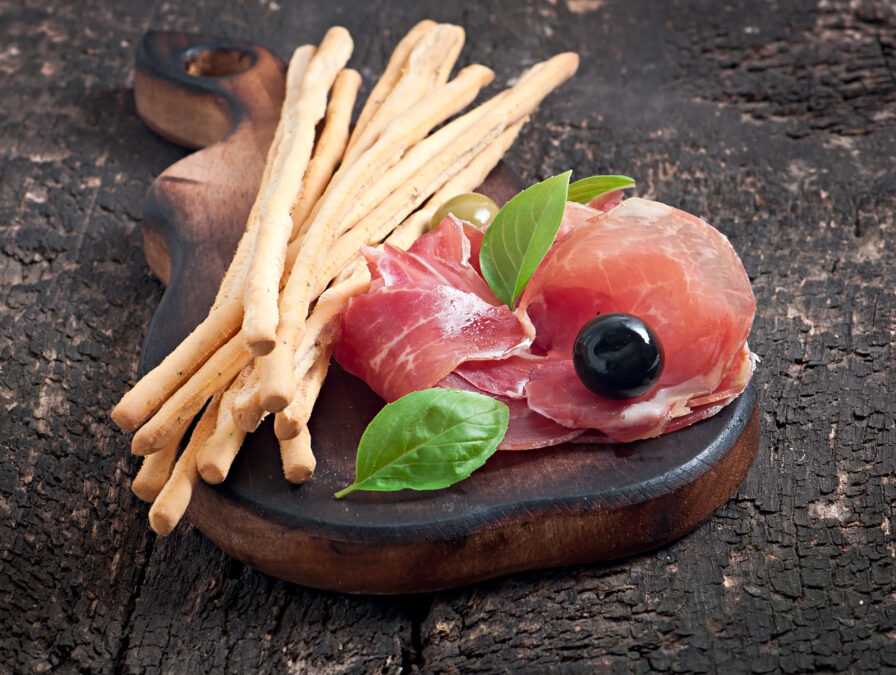

capocollo is one of the most famous traditional Italian cured meats, celebrated for its rich flavor, tender texture, and deep cultural roots. Found in Italian delicatessens, gourmet restaurants, charcuterie boards, and sandwiches around the world, capocollo has become a favorite among food lovers who appreciate authentic European cuisine. Known for its marbled appearance and carefully seasoned taste, capocollo represents centuries of culinary craftsmanship passed down through generations of Italian families and butchers.
As interest in artisan foods and international cuisine continues to grow, more people are searching online for information about capocollo. Food enthusiasts want to understand what makes this cured meat unique, how it is prepared, what it tastes like, and how it differs from other popular Italian meats such as prosciutto and salami. This complete guide explores the history, production methods, nutritional value, flavor profile, serving ideas, and cultural importance of capocollo. Whether you are a food enthusiast, home cook, or someone simply curious about Italian delicacies, this article provides everything you need to know about capocollo.
What Is Capocollo?
Capocollo is a traditional Italian cured meat made from the muscle running from the neck to the shoulder of the pig. The name comes from the Italian words “capo,” meaning head, and “collo,” meaning neck. In different regions of Italy, it may also be called coppa, capicola, or gabagool, depending on pronunciation and local dialects.
This cured meat is known for its delicate balance of fat and lean meat, which creates a rich texture and bold flavor. After being carefully trimmed, the meat is seasoned with salt, spices, wine, garlic, paprika, or herbs depending on regional traditions. It is then cured and aged over time, allowing the flavors to deepen and mature naturally.
Capocollo is often sliced very thin and served as part of antipasto platters, sandwiches, charcuterie boards, or gourmet dishes. Its savory, slightly spicy, and smoky flavor makes it one of the most recognizable meats in Italian cuisine.
The History of Capocollo
The origins of capocollo can be traced back hundreds of years to southern Italy, particularly regions such as Calabria, Campania, Basilicata, and Puglia. Italian families traditionally cured meats as a way to preserve food before refrigeration existed. Over time, these preservation techniques evolved into culinary traditions that became deeply connected to regional identity and culture.
Each Italian region developed its own style of capocollo based on local ingredients, climate, and seasoning methods. Some versions are heavily spiced, while others focus on subtle flavors and longer aging periods. In Calabria, for example, capocollo is often seasoned with hot peppers, giving it a spicy kick that reflects the bold flavors of southern Italian cooking.
As Italian immigrants moved to other countries, they brought their food traditions with them. Capocollo became especially popular in the United States, Canada, and Australia, where Italian communities continued producing traditional cured meats. Today, capocollo is recognized worldwide as a symbol of authentic Italian gastronomy and artisan food craftsmanship.
How Capocollo Is Made
The production of capocollo is a detailed and time-consuming process that requires skill, patience, and high-quality ingredients. The process begins with selecting premium cuts of pork from the neck and shoulder area. The meat is carefully trimmed to achieve the ideal balance of lean muscle and fat.
After trimming, the meat is rubbed with a mixture of salt and seasonings. Common spices include black pepper, fennel, paprika, garlic, chili flakes, and wine. The seasoning process not only adds flavor but also helps preserve the meat during curing.
The meat is then stuffed into natural casings or wrapped tightly before being hung in controlled environments to age. Depending on the regional style and desired flavor, capocollo may age for several weeks or even months. During this period, moisture slowly evaporates while flavors become richer and more concentrated. The final product develops its signature aroma, texture, and taste that make capocollo highly prized among cured meats.
The Flavor and Texture of Capocollo
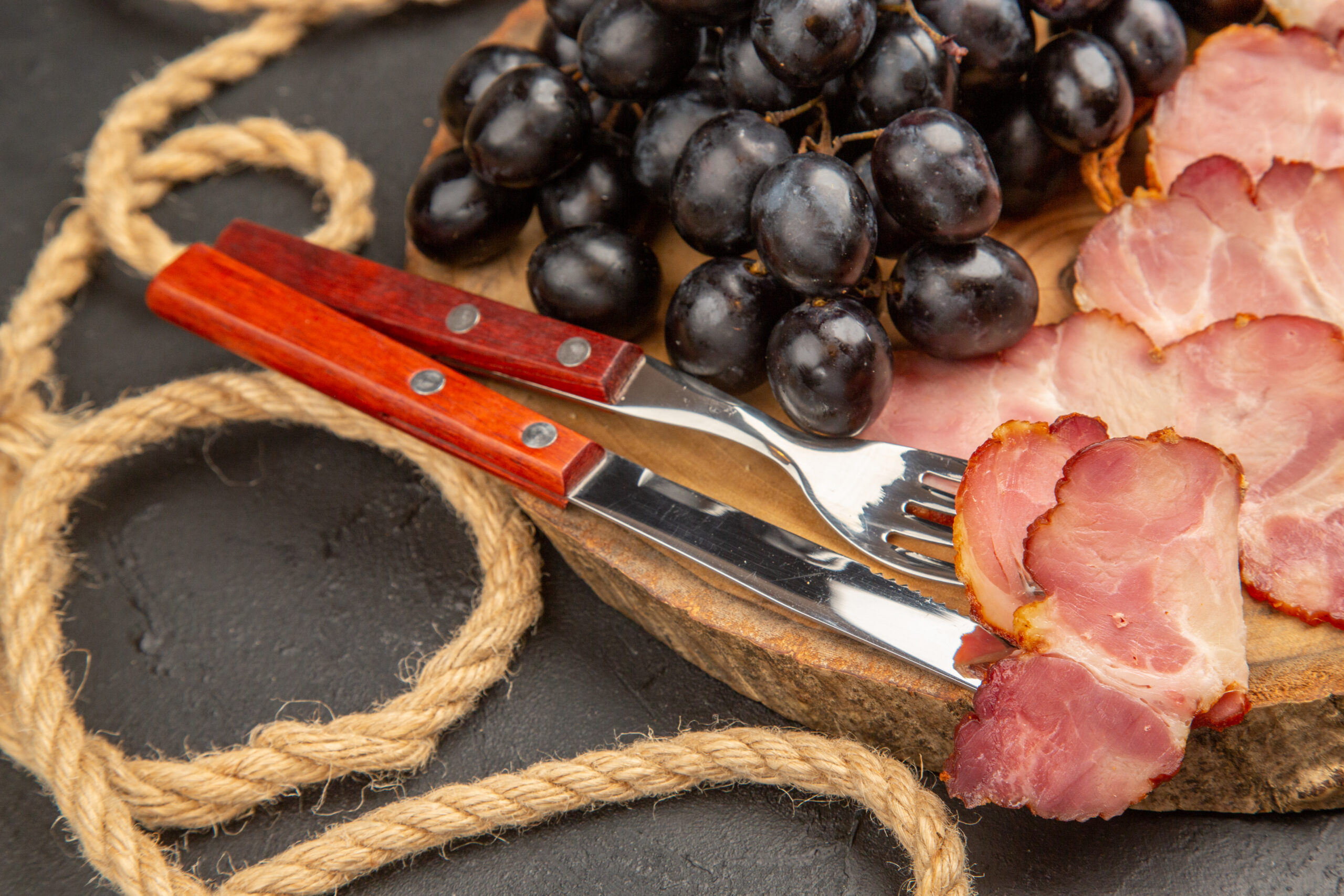
One of the main reasons capocollo is so popular is its unique flavor profile. Unlike heavily processed deli meats, authentic capocollo offers a complex taste experience created through natural curing and aging. The meat is savory, slightly salty, and often mildly spicy, with subtle smoky or herbal notes depending on the seasoning blend used.
The marbling of fat throughout the meat contributes to its tender texture and rich mouthfeel. Thin slices almost melt in the mouth, creating a luxurious eating experience. Because of its balance between lean meat and fat, capocollo is flavorful without being overly greasy.
Different regions produce different variations of capocollo, meaning flavor intensity can vary significantly. Some versions are sweet and delicate, while others are bold and peppery. This variety makes capocollo appealing to a wide range of culinary preferences.
Popular Ways to Eat Capocollo
Capocollo is an incredibly versatile food that can be enjoyed in many ways. One of the most common uses is on charcuterie boards alongside cheeses, olives, bread, fruits, and wine. Its rich flavor pairs beautifully with aged cheeses and crusty artisan bread.
Sandwiches are another popular way to enjoy capocollo. Italian-style subs often include thin slices of capocollo combined with provolone cheese, lettuce, tomatoes, peppers, and dressing. The meat also works well in paninis and gourmet burgers.
In addition to sandwiches and appetizers, capocollo can enhance pizzas, pasta dishes, salads, and breakfast meals. Some chefs use it to add savory depth to recipes that require cured meats. Because it is already cured and ready to eat, capocollo is convenient while still delivering authentic flavor.
Nutritional Value of Capocollo
Capocollo contains protein, fats, vitamins, and minerals commonly found in cured meats. Protein helps support muscle growth and repair, while fats contribute to energy and flavor. The exact nutritional profile varies depending on preparation style and serving size.
Because capocollo is cured with salt, it can contain relatively high sodium levels. Moderation is important, especially for individuals monitoring their salt intake. Some artisan producers now offer reduced-sodium or nitrate-free versions to meet changing consumer preferences.
Despite being considered an indulgent food, capocollo can fit into a balanced diet when enjoyed responsibly. Pairing it with vegetables, whole grains, and fresh ingredients can create flavorful and satisfying meals without overconsumption.
Why Capocollo Remains Popular Worldwide
Capocollo continues to grow in popularity because consumers increasingly appreciate authentic artisan foods with cultural heritage. In an era dominated by processed products, traditional cured meats stand out for their craftsmanship and rich history. Food lovers value the careful aging process and regional authenticity that make capocollo unique.
Social media and food tourism have also contributed to its global recognition. Travelers visiting Italy often discover regional delicacies and later search for them online or purchase imported versions in their home countries. Gourmet restaurants and specialty food stores have further elevated capocollo’s reputation among modern consumers.
Its adaptability is another reason for its lasting success. Capocollo works equally well in simple sandwiches and sophisticated fine-dining dishes, making it accessible to both casual eaters and culinary enthusiasts.
Conclusion
capocollo is far more than just a cured meat; it is a symbol of Italian culinary tradition, craftsmanship, and flavor. From its origins in southern Italy to its worldwide popularity today, capocollo has earned a respected place in global cuisine. Its tender texture, savory taste, and versatile uses make it a favorite ingredient for sandwiches, charcuterie boards, and gourmet meals.
As consumers continue seeking authentic and high-quality foods, capocollo remains a timeless delicacy that bridges history and modern gastronomy. Whether enjoyed in a traditional Italian setting or incorporated into creative contemporary dishes, capocollo delivers a unique culinary experience that reflects centuries of artisanal expertise.
FAQ About Capocollo
What is capocollo?
Capocollo is a traditional Italian cured meat made from pork neck and shoulder muscles.
Is capocollo the same as capicola?
Yes, capocollo and capicola refer to the same cured meat, although pronunciation and spelling may vary by region.
What does capocollo taste like?
Capocollo has a savory, slightly salty, and sometimes spicy flavor with a tender texture.
How is capocollo served?
It is commonly served thinly sliced on charcuterie boards, sandwiches, pizzas, and antipasto platters.
Is capocollo healthy?
Capocollo provides protein and nutrients but should be consumed in moderation because it can contain high sodium levels.
Where did capocollo originate?
Capocollo originated in southern Italy and remains an important part of Italian culinary tradition.