

Table of Contents
ToggleThe Kaiser roll is one of the most recognizable bread rolls in the world, known for its crisp crust, soft interior, and iconic star-shaped top. Found in bakeries, sandwich shops, restaurants, and home kitchens, this classic roll has remained popular for generations because of its delicious taste and versatility. Whether served with deli meats, breakfast sandwiches, burgers, or soups, the Kaiser roll has earned a special place in many cuisines around the globe. Food lovers appreciate its balance of texture and flavor, while bakers admire the craftsmanship involved in creating its signature appearance.
In recent years, online searches for Kaiser rolls have increased as more people explore homemade baking, artisan bread recipes, and traditional European foods. Consumers are also becoming more interested in understanding the history and nutritional value of the foods they eat. This growing curiosity has made the Kaiser roll a trending topic among food enthusiasts and home bakers alike. In this complete guide, we will explore the origin of the Kaiser roll, its ingredients, texture, uses, nutritional information, baking methods, and why it continues to be one of the most beloved bread rolls in the culinary world.
What Is a Kaiser Roll?
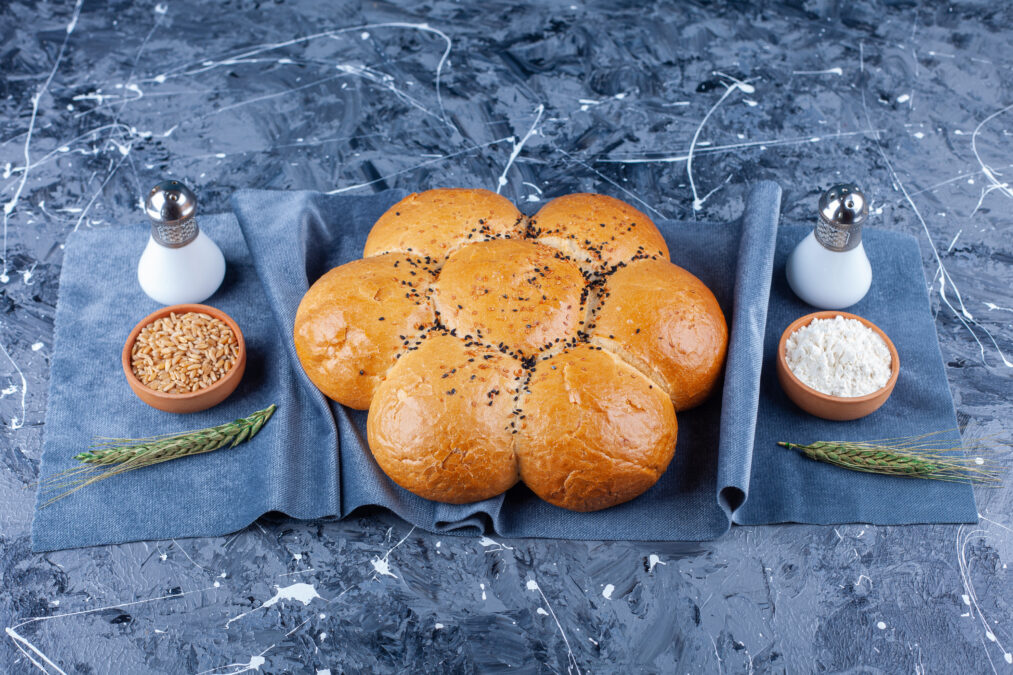
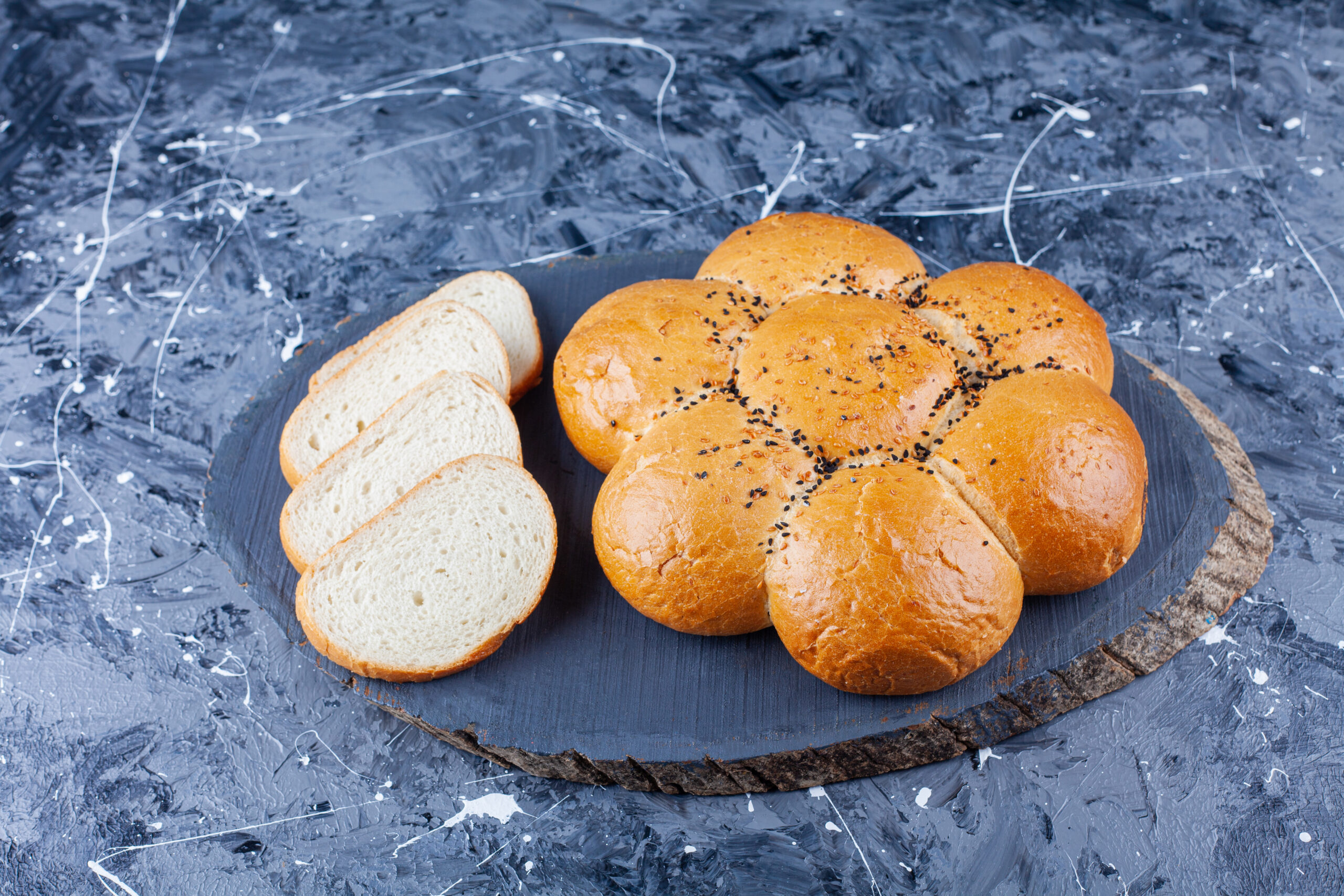
A Kaiser roll is a round bread roll traditionally made from white flour, yeast, water, malt, and salt. What makes it instantly recognizable is the decorative spiral or star pattern stamped on top before baking. The exterior is usually crisp and golden brown, while the inside remains soft, fluffy, and airy. This contrast in texture makes the Kaiser roll ideal for sandwiches and meals that require sturdy yet tender bread.
The roll is believed to have originated in Austria and later became popular throughout Europe and North America. Over time, bakers developed variations using sesame seeds, poppy seeds, whole wheat flour, and other ingredients to create unique flavors and textures. Despite these variations, the traditional Kaiser roll remains highly valued for its simplicity and classic appearance.
One of the reasons the Kaiser roll has remained popular for centuries is its incredible versatility. It can be paired with meats, cheeses, eggs, vegetables, soups, and even sweet spreads. Restaurants frequently use Kaiser rolls because they are durable enough to hold fillings without becoming soggy while still maintaining a pleasant softness.
The History of the Kaiser Roll
The history of the Kaiser roll dates back several centuries and is deeply connected to Austrian baking traditions. The word “Kaiser” means “emperor” in German, and many historians believe the bread was named in honor of Emperor Franz Joseph I of Austria. During the nineteenth century, Austrian bakers became famous for producing beautifully crafted breads, and the Kaiser roll quickly gained recognition for both its appearance and quality.
As European immigrants traveled to the United States and other countries, they brought their baking traditions with them. Bakeries in cities such as New York, Chicago, and Philadelphia began producing Kaiser rolls for immigrant communities who missed traditional European breads. Eventually, the bread became widely adopted in American cuisine and started appearing in diners, delicatessens, and restaurants across the country.
Today, the Kaiser roll is considered a staple in many bakeries around the world. Its long history reflects the importance of bread in cultural traditions and demonstrates how a simple baked good can transcend borders and generations. The enduring popularity of the Kaiser roll proves that traditional recipes continue to hold value even in modern culinary trends.
Ingredients Used in Kaiser Rolls
Traditional Kaiser rolls use simple ingredients, but the quality of those ingredients significantly affects the final product. Flour is the primary ingredient and provides structure and texture. Most classic recipes use bread flour because of its higher protein content, which helps create a chewy yet soft interior.
Yeast is another essential ingredient because it allows the dough to rise and develop its airy structure. Water activates the yeast and hydrates the dough, while salt enhances flavor and controls fermentation. Some recipes also include malt, sugar, butter, or oil to improve taste and crust color.
Many bakers add toppings such as sesame seeds, poppy seeds, or coarse salt to enhance appearance and flavor. Whole wheat versions are also becoming increasingly popular among health-conscious consumers. Regardless of variation, the hallmark of a good Kaiser roll remains its crisp crust and light interior.
Why Kaiser Rolls Are Popular for Sandwiches
Kaiser rolls are often considered one of the best breads for sandwiches because of their structure and flavor. Unlike softer breads that may collapse under heavy fillings, Kaiser rolls provide stability while still being pleasant to bite into. This makes them ideal for deli sandwiches, cheeseburgers, chicken sandwiches, breakfast sandwiches, and barbecue meals.
The crisp outer crust helps maintain texture, while the fluffy center absorbs sauces and juices without becoming overly soggy. This balance is particularly important for restaurants and food vendors that serve large sandwiches with multiple ingredients. Many chefs prefer Kaiser rolls because they complement fillings without overpowering them.
Another reason for their popularity is visual appeal. The decorative star-shaped top gives sandwiches a more artisan and premium appearance. Customers often associate Kaiser rolls with freshness and bakery-quality products, which adds to their reputation in the food industry.
Nutritional Value of Kaiser Rolls
The nutritional profile of a Kaiser roll depends on the ingredients and serving size. Traditional white-flour Kaiser rolls typically contain carbohydrates, moderate protein, and relatively low fat. They provide quick energy and pair well with protein-rich foods such as meats, eggs, and cheeses.
Whole wheat Kaiser rolls offer additional fiber, vitamins, and minerals, making them a healthier option for many people. Some bakeries also create low-sodium or multigrain versions to meet changing dietary preferences. While Kaiser rolls can be part of a balanced diet, portion control and ingredient selection remain important for maintaining overall health.
Consumers today are more interested than ever in understanding food nutrition, and this has encouraged bakeries to provide healthier bread alternatives without sacrificing flavor. The continued evolution of the Kaiser roll demonstrates how traditional foods can adapt to modern nutritional trends.
How to Make Homemade Kaiser Rolls
Making homemade Kaiser rolls can be a rewarding experience for baking enthusiasts. The process begins by mixing flour, yeast, water, salt, and optional ingredients such as butter or sugar into a soft dough. After kneading, the dough is left to rise until doubled in size.
The most distinctive part of the process involves shaping the rolls. Bakers either stamp the top with a special Kaiser roll tool or fold the dough manually to create the signature spiral design. Once shaped, the rolls undergo a second rise before baking in a hot oven until golden brown.
Freshly baked Kaiser rolls offer an aroma and texture that store-bought versions often cannot match. Homemade rolls can also be customized with toppings and flour variations according to personal preference. As home baking continues to grow in popularity, many people are rediscovering the joy of making traditional breads from scratch.
Conclusion
The Kaiser roll remains one of the most beloved bread rolls in the world because of its rich history, unique appearance, and exceptional versatility. From its origins in Austrian baking traditions to its widespread use in modern sandwiches and burgers, this iconic bread has successfully maintained its popularity for generations. Its crisp crust, airy texture, and ability to complement a wide variety of foods make it a favorite choice among chefs, bakers, and everyday consumers.
As interest in artisan bread and homemade baking continues to rise, the Kaiser roll stands out as a timeless example of culinary craftsmanship. Whether enjoyed fresh from a bakery, prepared at home, or used in gourmet sandwiches, the Kaiser roll continues to deliver flavor, texture, and tradition in every bite. Its enduring appeal proves that classic foods never truly go out of style.
FAQ About Kaiser Rolls
What is a Kaiser roll?
A Kaiser roll is a round bread roll with a crisp crust and soft interior, traditionally marked with a star-shaped pattern on top.
Where did Kaiser rolls originate?
Kaiser rolls originated in Austria and became popular throughout Europe and North America.
Why are Kaiser rolls popular for sandwiches?
They are sturdy enough to hold fillings while remaining soft and flavorful, making them ideal for sandwiches and burgers.
Are Kaiser rolls healthy?
Traditional Kaiser rolls provide carbohydrates and some protein, while whole wheat versions offer more fiber and nutrients.
Can I make Kaiser rolls at home?
Yes, homemade Kaiser rolls can be made using flour, yeast, water, salt, and simple baking techniques.
What foods pair well with Kaiser rolls?
Kaiser rolls pair well with deli meats, burgers, eggs, soups, cheeses, and many other savory dishes.